Sensor Instruments
Entwicklungs- und Vertriebs GmbH
Schlinding 15
D-94169 Thurmansbang
Telefon +49 8544 9719-0
Telefax +49 8544 9719-13
info@sensorinstruments.de

Traduci questa pagina:

Marcatura prodotto e tracciabilità


06.05.2025
 
  Supply chain control with the help of phosphorescent markers

How can we keep plastic off the oceans? How does plastic waste actually end up in the oceans?

Around 80% of the plastic that ends up in the oceans comes from rivers, which is why many initiatives focus on intercepting plastic waste before it reaches the sea. Other organizations, mostly of a local nature, concentrate on cleaning up beaches, removing the plastic waste that has washed up on them.
In contrast, the collection of plastic in the open sea is technically very challenging. Various initiatives remove plastic from garbage patches, such as the Great Pacific Garbage Patch. However, this proportion is still relatively low compared to the quantities of plastic waste collected from the rivers.

Once the plastic waste has been collected and packed, it is forwarded to the recycling plant in compliance with supply chain controls. The process here is similar to the usual plastic waste processing: pre-sorting, shredding, washing, drying and fine sorting of the flakes before they finally enter the extruder.

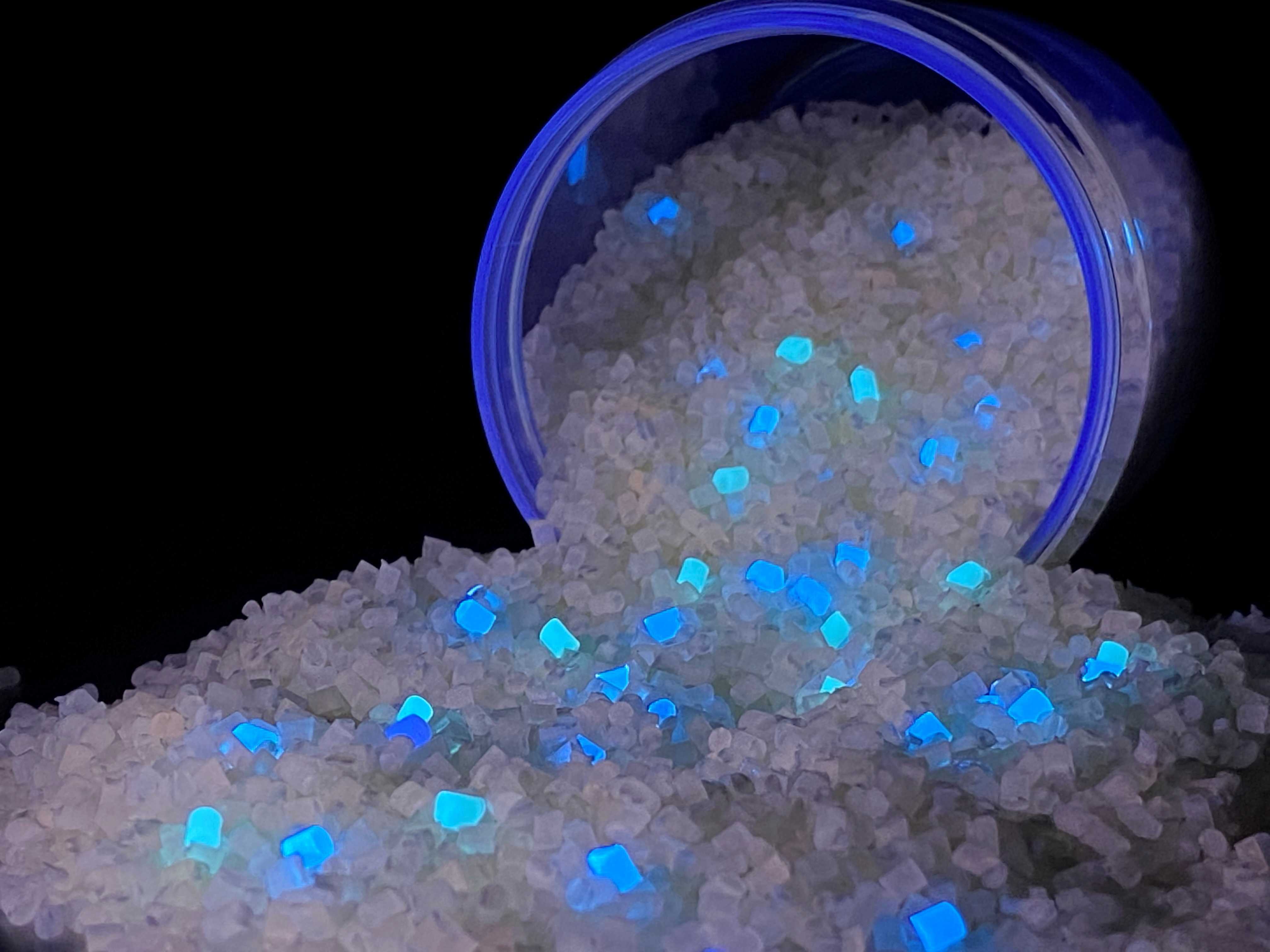
A reliable method of identifying whether a recyclate was actually made from plastic waste originating from the sea, river or beach is the so-called marker-based process. In this process, a masterbatch with a luminescent inorganic marker is added with the help of a dosing unit. The dosing quantity can be determined using a suitable sensor system and regulated via a control system. The sensor system is installed in the extruder, immediately after the melt filter, or on the vibrating chute after granulation.  (...)


Control of the supply chain using
    phosphorescence and suitable detectors:
    SPECTRO-3-30-UV/BL-MSM-ANA
    SPECTRO-T-1-500-UV/BL
    LUMI-TAU-MOBILE Series
    LUMI-TAU-INLINE Series
    KL-PROBE Series


26.08.2024
 
  TAGTEC – In search of the hidden

There are already a number of systems for separating and sorting plastic waste according to color and plastic type. In addition, image processing systems, paired with artificial intelligence (AI), provide good services in the recognition of shapes or in the search for applied barcodes or QR codes and so-called digital watermarks when separating plastic packaging. But what happens in the further course of the recycling process after washing and shredding the pre-sorted material? Especially if they are fragments or flakes of the same color and the same type of plastic?
A printed code or digital watermark can then no longer be used, which means that it is no longer possible to differentiate between food and non-food, for example. After regranulation, the recyclate can no longer be used to determine the area in which the source material was used.
In order to be able to check the section in the recycling process immediately before and after the recyclate is extruded, a permanent, processing-resistant and temperature-resistant marking or coding must be applied to the plastic matrix. This makes it possible to close the gap in material monitoring, particularly with regard to identity, origin and quality. The marking typically consists of phosphorescent, inorganic microparticles. Due to their inert properties and size,
they can be incorporated into almost all plastic products. Marker-based masterbatches from Gabriel-Chemie are now available under the brand name TAGTEC (Taggant Technology). (...)
 
 
    Detecting the Hidden Features in the Plastic
   
With the help of TAGTEC Technology


18.08.2023 
 
   Tutto sotto controllo con il monitoraggio della catena di approvvigionamento delle bilance idrostatiche SOLA. E questo da pellet a pellet!

Qual è il modo migliore per monitorare il mio prodotto durante il suo ciclo di vita?
Il pass di prodotto digitale di R-Cycle, chiamato in breve DPP, ne fornisce una base eccellente. Grazie al DPP, i dati inerenti al prodotto e al riciclaggio possono essere interrogati in modo semplice. Il DPP può essere letto con diversi codici: con un codice QR o tramite watermark digitali, applicabili al prodotto in forma di manicotti o etichette oppure incisi al laser nello stampo a iniezione quale codice 3D.
Differentemente dai watermark digitali che sono a prova di copia, un codice QR può essere facilmente imitato. Tuttavia, in combinazione coi masterbatch TAGTEC di Gabriel-Chemie un codice QR può essere classificato come "sicuro". I masterbatch TAGTEC di Gabriel-Chemie contengono una ricca selezione di diversi marcatori foto-eccitabili che possono essere rilevati grazie alla speciale tecnologia opto-sensorica di Sensor Instruments. I prodotti con marchio TAGTEC hanno dimostrato di essere a prova di manomissione e, soprattutto, grazie alle possibilità offerte da un DPP è possibile effettuare un monitoraggio durevole e affidabile della catena di fornitura.
 
► Comunicato stampa (pdf)
► Comunicato stampa (Word/pdf)


22.08.2022 
Articolo tecnico in Kunststoffe International 06/2022
(Categoria: Materials - Additives)
 
   Luminous Markers instead of
          Holy Grail


Improved Sorting of Plastic Waste with Luminescent Pigments
The HolyGrail 2.0 Initiative aims to improve the sorting of plastic waste. For this purpose, digital watermarks containing information on packaging type, material, and usage will be applied on products. However, the method also has certain drawbacks. Here, luminescent pigments provide an alternative that is permanent and can withstand several processing cycles.
 
► Specialist article (pdf)
► Specialist articel on en.Kunststoffe.de

  
   Sistemi di imaging LUMI-STAR-INLINE
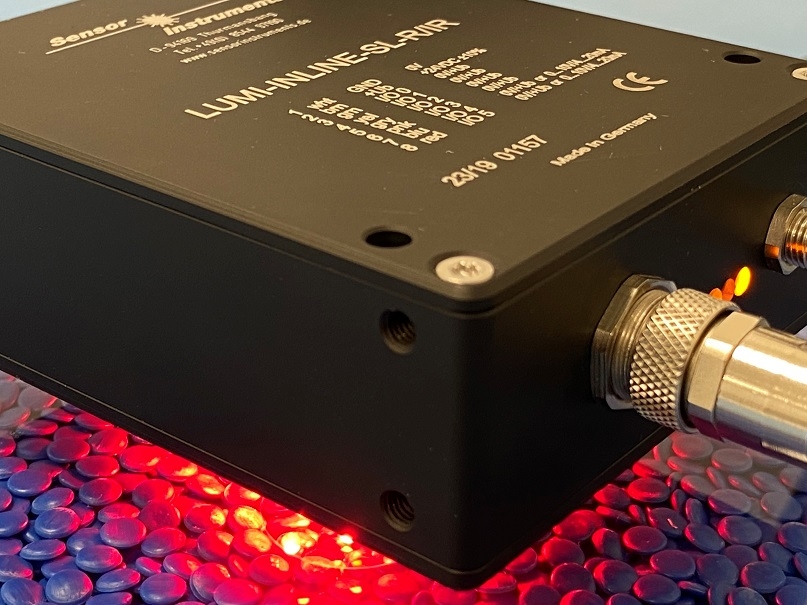
   LUMI-STAR-INLINE-R/IR
   Rivelatori inline 
LUMI-TAU-INLINE
   LUMI-TAU-INLINE-SL-R/IR


07.05.2020
 
  Sensori INLINE ottici produzione e riciclaggio della plastico

Per aumentare la selezionabilità delle materie plastiche e quindi il loro tasso di riciclaggio, sono già in atto diverse iniziative e approcci tecnici. Alcuni processi si basano sulle possibilità offerte dalle tecniche dell’infrarosso vicino (NIR) per distinguere i materiali di base dalla plastica, altri seguono l'applicazione di codici per smistare e rintracciare gli imballaggi in plastica.
Sensor Instruments e GABRIEL-CHEMIE hanno ora sviluppato una nuova tecnologia per fornire materiali e prodotti in plastica di firma leggibile meccanicamente e integrata nel materiale.
 
► al comunicato stampa (pdf)
► al comunicato stampa (Word/pdf)


   Marcatura e autenticazione unica di
   prodotti in plastica

   Taggant Technology TAGTEC


14.10.2019
 
  Sulle tracce dell'invisibile

I rilevatori inline offrono una nuova tipologia di marcatura dei componenti
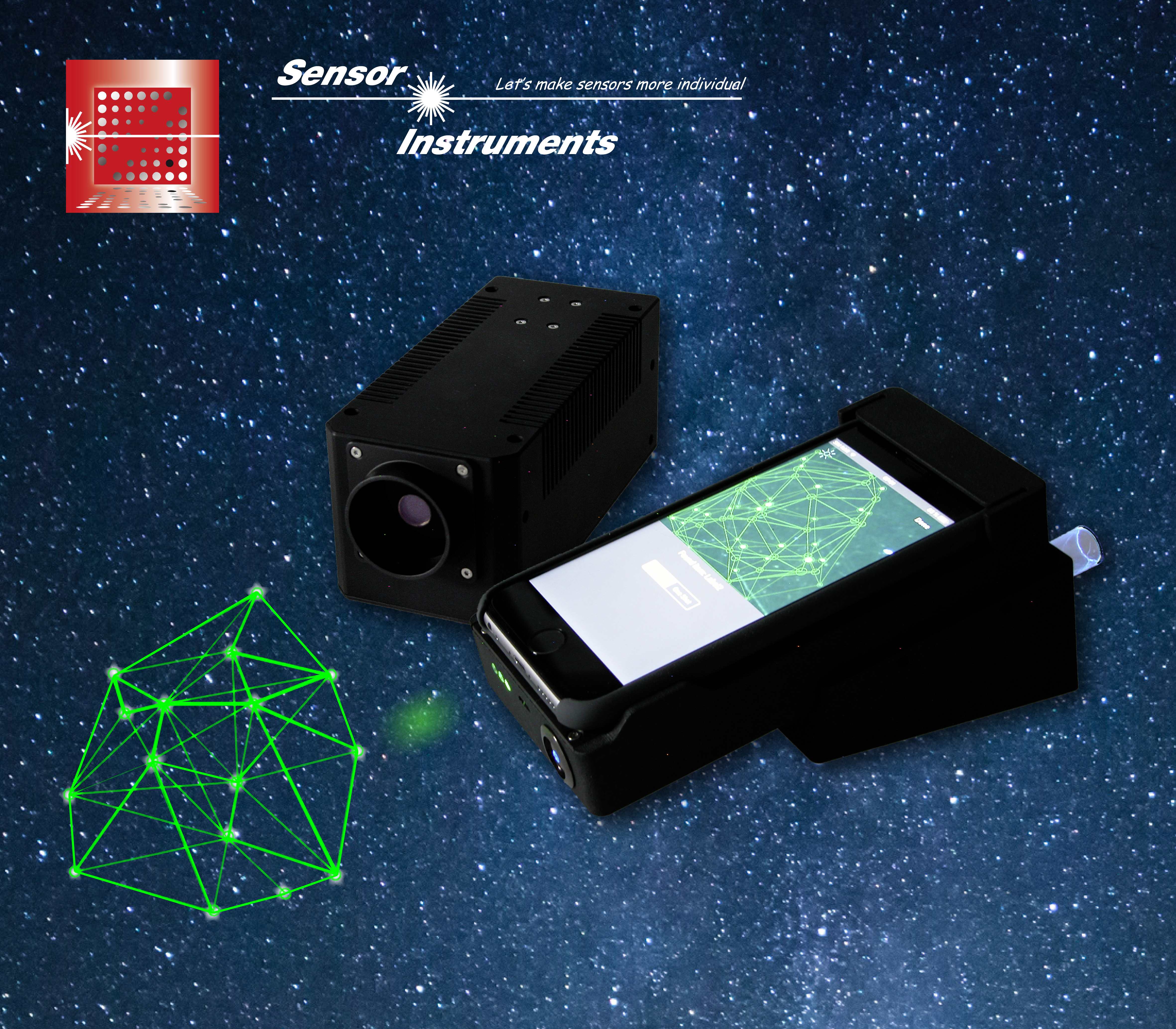
A seguito della completa digitalizzazione della produzione e dei processi industriali (parola chiave: industria 4.0), un nuovo tipo di marcatura dei componenti prodotti offre possibilità finora inesplorate. Attraverso la marcatura individuale (una distribuzione casuale di particelle fluorescenti sulla superficie dell'oggetto o nella matrice dell'oggetto) è possibile generare una chiave virtuale, che può essere utilizzata per memorizzare dati rilevanti per il prodotto, ad esempio nel server (o nel cloud). Grazie alla distribuzione casuale delle particelle fluorescenti, questo "codice a stella" rappresenta una sorta di "impronta digitale". Solo poche particelle nel campo visivo sono sufficienti a garantire un riconoscimento affidabile e robusto con una bassa richiesta di memoria per ciascun codice.
 
► al comunicato stampa
► al comunicato stampa (Word/pdf)


   LUMI-STAR-MOBILE e LUMI-STAR-INLINE
   Serie LUMI


NOTIZIE

Partecipazione a fiere:

 •   PRS Europe 2026
 •   Textiles Recycling Expo 2026

più...


Il fiore all'occhiello dell'innovazione alla K 2025:

Realizzato con partner di grande rilievo:
Passaporto digitale del prodotto nella lavorazione delle materie plastiche


più...


Articolo specialistico:

  Automatically Adjusting to the Desired Color
Constant Recyclat Color Values through Inline Measurement  

Plastics Insights 
05/2025


più...

Video:


Sistemi di sensori per l'industria del riciclaggio della plastica
Misurazione del colore dei riciclati


più...


Articolo specialistico:


Testing Recyclates Directly during Injection Molding and Extrusion
NIR Process for the Inline Inspection of Recycled Plastics ()
Plastics Insights 3/2024


Libri bianchi:

Sensor systems for recyclate control in the plastics industry for laboratory and inline use ()
Checking the plastic type of recyclates and virgin material using NIR technology ()

più...


Nuove applicazioni:

Rilevamento di ammaccature e avvallamenti su strisce di trancia in metallo
(N° 801)
Distinzione di componenti in pelle, tessuto e plastica per interni
(N° 802)
Misurazione del colore di coperchi di plastica
(N° 803)

più...


GLOSSARIO: Cos'è ...
... la tensione superficiale?
... l’evaporazione dell’olio?
... la misurazione dello spessore
    dello strato di olio?

più...


Novità sui software:

SPECTRO3-MSM-DIG-Scope V1.5 (2021.10.20)
V1.5.2

più...


FIND US ON ....

Facebook X (Twitter) Instagram Youtube in


TOP