Sensor Instruments
Entwicklungs- und Vertriebs GmbH
Schlinding 15
D-94169 Thurmansbang
Telefon +49 8544 9719-0
Telefax +49 8544 9719-13
info@sensorinstruments.de

Traduzir esta página:

Rotulagem e rastreamento de produto


06.05.2025
 
  Supply chain control with the help of phosphorescent markers

How can we keep plastic off the oceans? How does plastic waste actually end up in the oceans?

Around 80% of the plastic that ends up in the oceans comes from rivers, which is why many initiatives focus on intercepting plastic waste before it reaches the sea. Other organizations, mostly of a local nature, concentrate on cleaning up beaches, removing the plastic waste that has washed up on them.
In contrast, the collection of plastic in the open sea is technically very challenging. Various initiatives remove plastic from garbage patches, such as the Great Pacific Garbage Patch. However, this proportion is still relatively low compared to the quantities of plastic waste collected from the rivers.

Once the plastic waste has been collected and packed, it is forwarded to the recycling plant in compliance with supply chain controls. The process here is similar to the usual plastic waste processing: pre-sorting, shredding, washing, drying and fine sorting of the flakes before they finally enter the extruder.

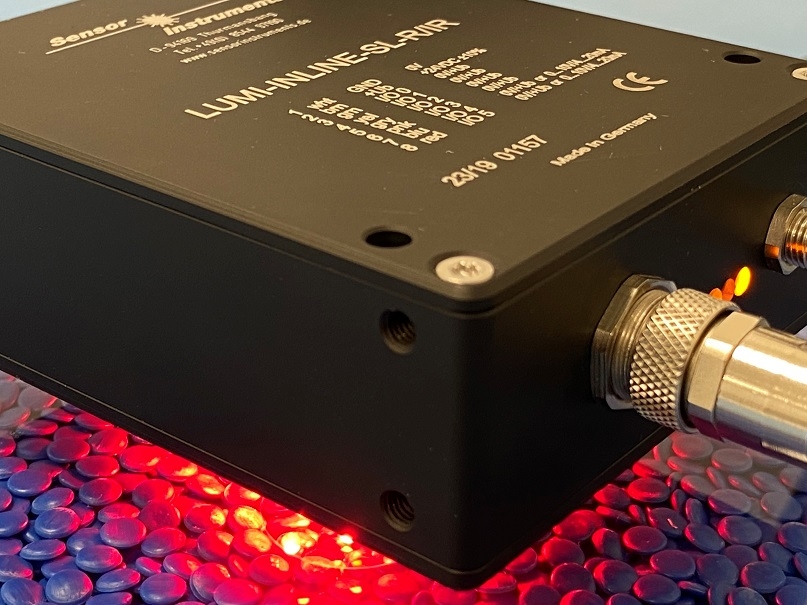
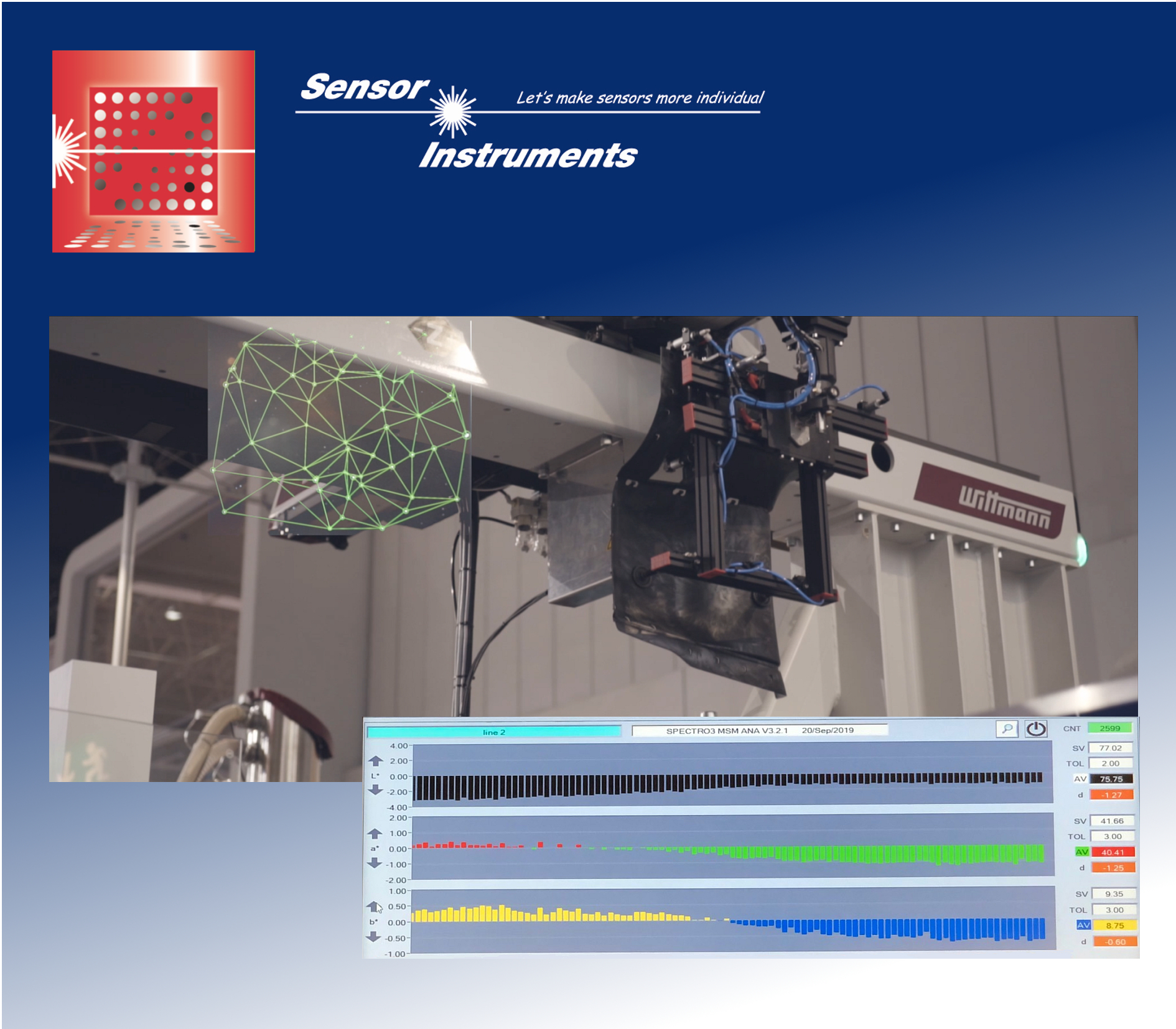
A reliable method of identifying whether a recyclate was actually made from plastic waste originating from the sea, river or beach is the so-called marker-based process. In this process, a masterbatch with a luminescent inorganic marker is added with the help of a dosing unit. The dosing quantity can be determined using a suitable sensor system and regulated via a control system. The sensor system is installed in the extruder, immediately after the melt filter, or on the vibrating chute after granulation.  (...)


Control of the supply chain using
    phosphorescence and suitable detectors:
    SPECTRO-3-30-UV/BL-MSM-ANA
    SPECTRO-T-1-500-UV/BL
    LUMI-TAU-MOBILE Series
    LUMI-TAU-INLINE Series
    KL-PROBE Series


26.08.2024
 
  TAGTEC – In search of the hidden

There are already a number of systems for separating and sorting plastic waste according to color and plastic type. In addition, image processing systems, paired with artificial intelligence (AI), provide good services in the recognition of shapes or in the search for applied barcodes or QR codes and so-called digital watermarks when separating plastic packaging. But what happens in the further course of the recycling process after washing and shredding the pre-sorted material? Especially if they are fragments or flakes of the same color and the same type of plastic?
A printed code or digital watermark can then no longer be used, which means that it is no longer possible to differentiate between food and non-food, for example. After regranulation, the recyclate can no longer be used to determine the area in which the source material was used.
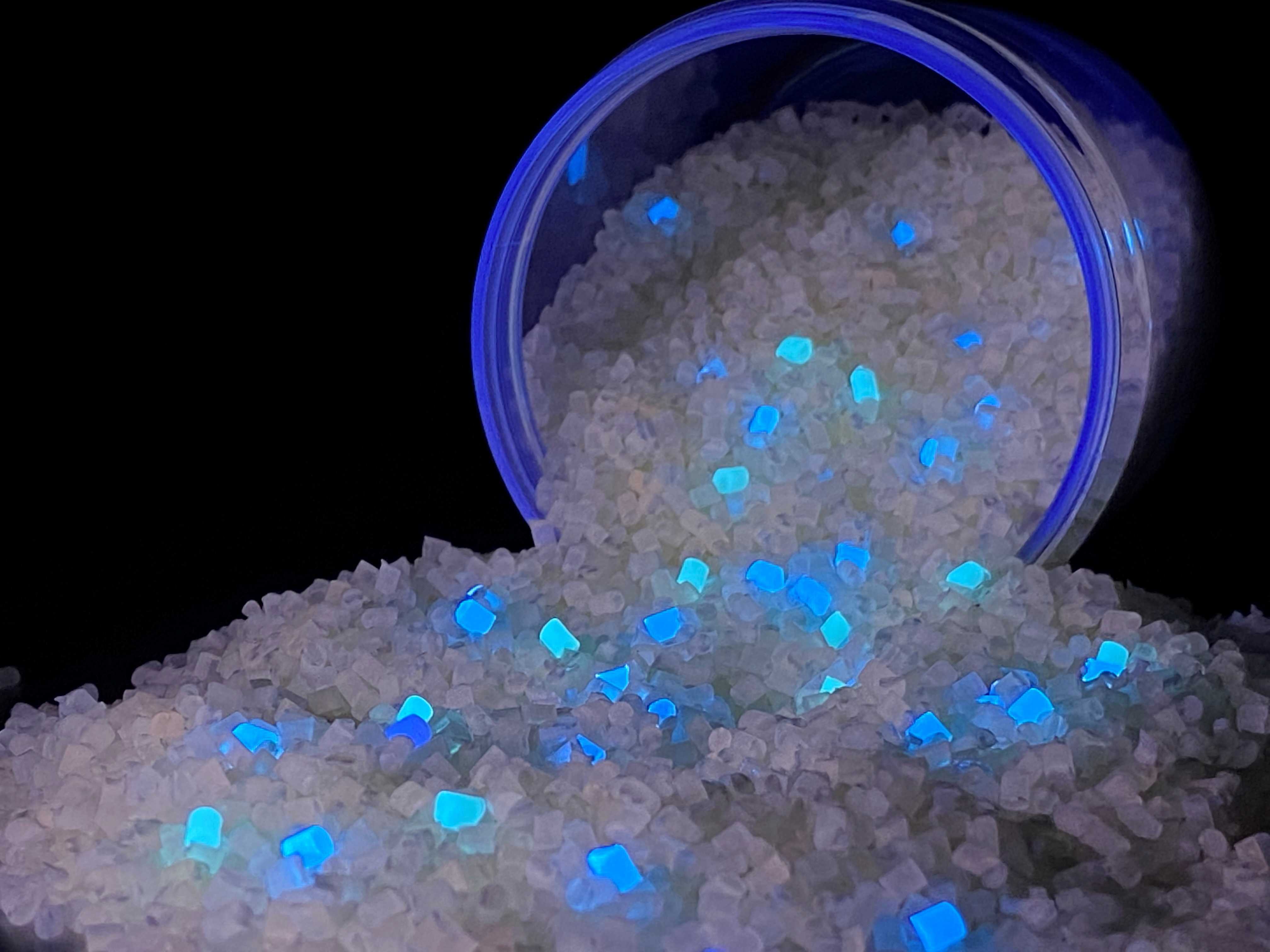
In order to be able to check the section in the recycling process immediately before and after the recyclate is extruded, a permanent, processing-resistant and temperature-resistant marking or coding must be applied to the plastic matrix. This makes it possible to close the gap in material monitoring, particularly with regard to identity, origin and quality. The marking typically consists of phosphorescent, inorganic microparticles. Due to their inert properties and size,
they can be incorporated into almost all plastic products. Marker-based masterbatches from Gabriel-Chemie are now available under the brand name TAGTEC (Taggant Technology). (...)
 
 
    Detecting the Hidden Features in the Plastic
   
With the help of TAGTEC Technology


18.08.2023 
 
   Seguimento perfeito da cadeia de abastecimento do nível de bolha SOLA. De pellet a pellet!

Qual é a melhor maneira de monitorar meu produto durante todo o seu ciclo de vida?
O passaporte digital de produtos da R-Cycle, abreviado como DPP, oferece uma excelente base para isso. Com a ajuda do DPP, os dados relevantes sobre o produto e a reciclagem podem ser consultados de maneira simples. O DPP pode ser aberto por meio de diferentes códigos: com um código QR ou com a ajuda de marcas de água digitais, que podem ser aplicadas ao produto como mangas ou etiquetas ou gravadas a laser no molde de injeção em código 3D.
As marcas de água digitais são consideradas à prova de cópia, enquanto um código QR pode ser facilmente imitado. Por outro lado, em combinação com os batches mestres TAGTEC da Gabriel-Chemie, um código QR também pode ser classificado como "seguro". Os batches mestres TAGTEC da Gabriel-Chemie contêm uma rica seleção de diferentes marcadores excitáveis por luz que podem ser detectados usando a tecnologia especial de sensores ópticos da Sensor Instruments. Os produtos com a marca TAGTEC provaram ser à prova de adulteração e, especialmente em combinação com as possibilidades oferecidas por um DPP, sendo possível realizar um monitoramento muito robusto e confiável da cadeia de suprimentos..


22.08.2022 
Artigo técnico em Kunststoffe International 06/2022
(Categoria: Materials - Additives)

 
   Luminous Markers instead of
          Holy Grail


Improved Sorting of Plastic Waste with Luminescent Pigments
The HolyGrail 2.0 Initiative aims to improve the sorting of plastic waste. For this purpose, digital watermarks containing information on packaging type, material, and usage will be applied on products. However, the method also has certain drawbacks. Here, luminescent pigments provide an alternative that is permanent and can withstand several processing cycles.
 
► Specialist article (pdf)
► Specialist articel on en.Kunststoffe.de

  
   Sistemas de imagem LUMI-STAR-INLINE
   LUMI-STAR-INLINE-R/IR
   Detectores em linha 
LUMI-TAU-INLINE
   LUMI-TAU-INLINE-SL-R/IR


07.05.2020
 
  Sensores ópticos INLINE na produção e reciclagem de plásticos

Para aumentar a classificação dos plásticos e, portanto, sua cota de reciclagem, já existem várias iniciativas e abordagens técnicas. Alguns métodos se baseiam nas possibilidades dos métodos de infravermelho próximo (NIR) para diferenciar os materiais básicos dos plásticos, outros defendem a aplicação de códigos para classificar e rastrear as embalagens plásticas.
A Sensor Instruments e a GABRIEL-CHEMIE agora desenvolveram uma nova tecnologia para fornecer materiais e produtos plásticos com uma assinatura legível por máquina integrada no material..
 
► Comunicado de imprensa (pdf)
► Comunicado de imprensa (Word/pdf)


   Rotulagem e autenticação exclusiva de
   produtos plásticos

   Taggant Technology TAGTEC


14.10.2019
 
  Na trilhado invisível

Detectores Inline oferecem novo tipo de marcação de componentes
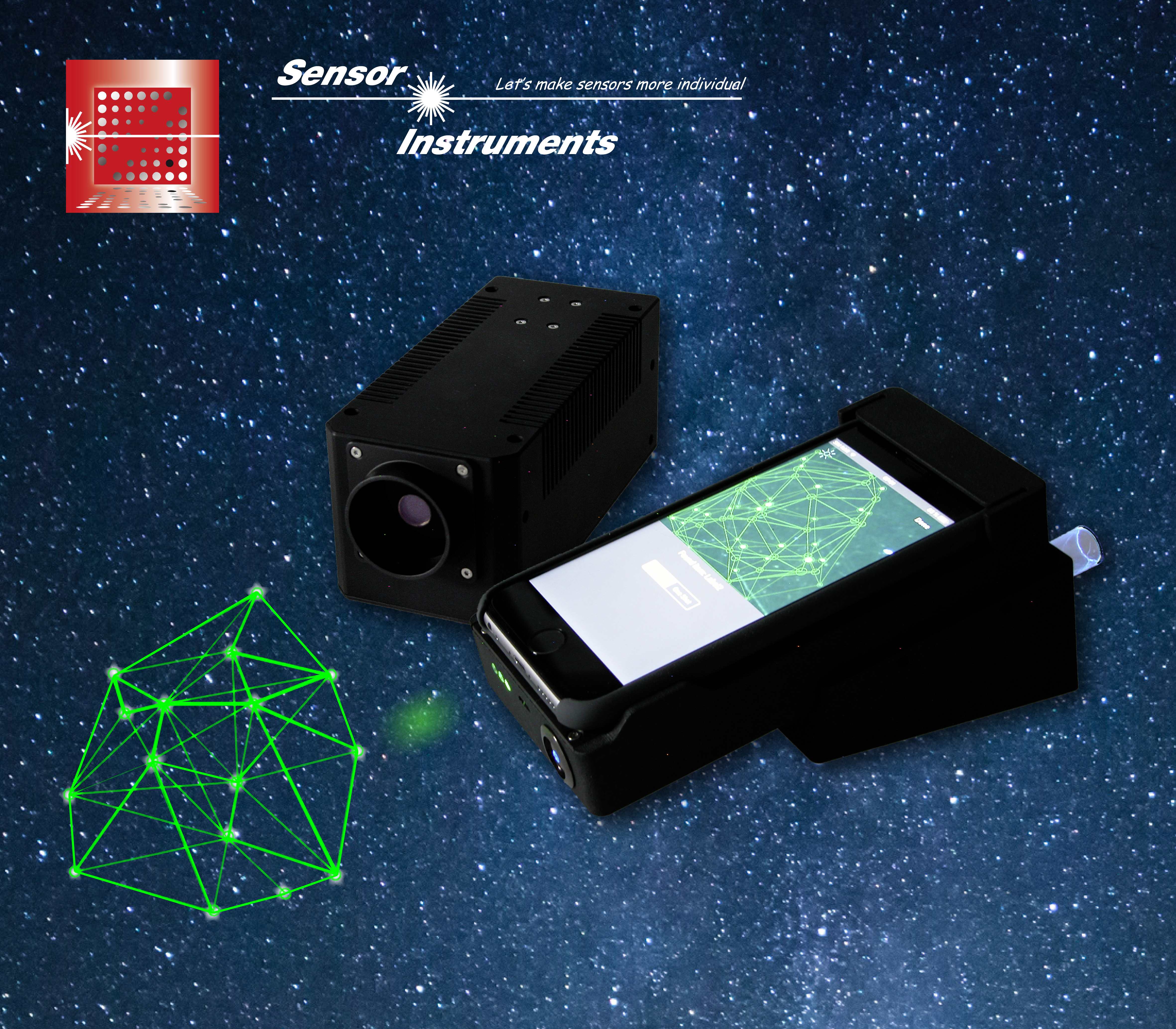
No âmbito de uma digitalização abrangente da produção industrial e dos processos (palavra-chave: Indústria 4.0), uma nova maneira de marcar componentes fabricados oferece agora possibilidades anteriormente inimagináveis. Por meio da marcação individual (uma distribuição aleatória de partículas fluorescentes na superfície do objeto ou na matriz do objeto), uma chave virtual pode ser gerada com a ajuda da qual podem ser armazenados dados relevantes para o produto, p.ex., no servidor (ou na Nuvem). Graças à distribuição aleatória das partículas fluorescentes, esse "código estelar" representa uma espécie de "impressão digital ‘digital’. Apenas algumas partículas no campo de visão são suficientes para garantir uma detecção segura e robusta com pouco espaço de memória necessário por código.
 
► Comunicado de imprensa
► Comunicado de imprensa (Word/pdf)


   LUMI-STAR-MOBILE e LUMI-STAR-INLINE
   Série LUMI


NOTICIA

Participação em exposições:

 •   PRWE North America 2025
 •   PRS India 2025
 •   PRS Europe 2026
 •   Textiles Recycling Expo 2026

mais...


O destaque em inovação na K 2025:

Realizado com parceiros fortes:
Passaporte digital do produto na transformação de plásticos


mais...


Artigo especializado:

  Automatically Adjusting to the Desired Color
Constant Recyclat Color Values through Inline Measurement  

Plastics Insights 
05/2025


mais...


Vídeo:


Sistemas de sensores para a indústria de reciclagem de plástico
Medição de cor de reciclados


mais...


Artigo especializado:


Testing Recyclates Directly during Injection Molding and Extrusion
NIR Process for the Inline Inspection of Recycled Plastics ()
Plastics Insights 3/2024


Livros brancos:

Sensor systems for recyclate control in the plastics industry for laboratory and inline use ()
Checking the plastic type of recyclates and virgin material using NIR technology ()

mais...


Novos aplicações:

Detecção de mossas e amolgadelas em fitas de punção metálicas
(N° 801)

Distinção de componentes interiores de couro e plástico
(N° 802)
Medição de cor das tampas plásticas
(N° 803)

mais...


GLOSSÁRIO: O que é
... tensão superficial?
... evaporação de óleo?
... a medição da espessura da
    camada de óleo?

mais...


Novo software:

SPECTRO3-MSM-DIG-Scope V1.5 (2021.10.20)
V1.5.2

mais...


FIND US ON ....

Facebook X (Twitter) Instagram Youtube in


TOP