Sensor Instruments
Entwicklungs- und Vertriebs GmbH
Schlinding 15
D-94169 Thurmansbang
Telefon +49 8544 9719-0
Telefax +49 8544 9719-13
info@sensorinstruments.de

Перевести эту страницу:

Обозначение и идентификация изделий


06.05.2025
 
  Supply chain control with the help of phosphorescent markers

How can we keep plastic off the oceans? How does plastic waste actually end up in the oceans?

Around 80% of the plastic that ends up in the oceans comes from rivers, which is why many initiatives focus on intercepting plastic waste before it reaches the sea. Other organizations, mostly of a local nature, concentrate on cleaning up beaches, removing the plastic waste that has washed up on them.
In contrast, the collection of plastic in the open sea is technically very challenging. Various initiatives remove plastic from garbage patches, such as the Great Pacific Garbage Patch. However, this proportion is still relatively low compared to the quantities of plastic waste collected from the rivers.

Once the plastic waste has been collected and packed, it is forwarded to the recycling plant in compliance with supply chain controls. The process here is similar to the usual plastic waste processing: pre-sorting, shredding, washing, drying and fine sorting of the flakes before they finally enter the extruder.

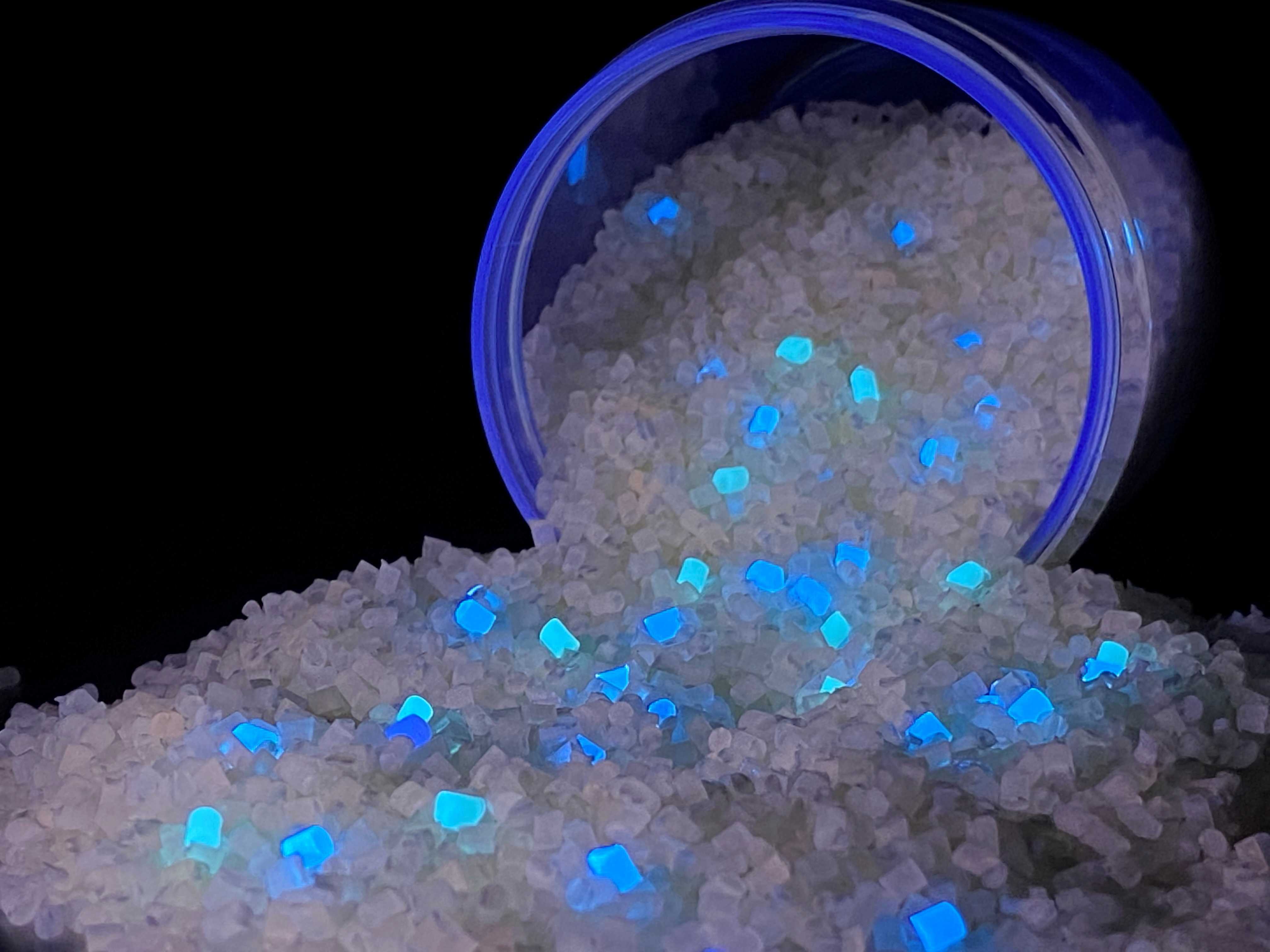
A reliable method of identifying whether a recyclate was actually made from plastic waste originating from the sea, river or beach is the so-called marker-based process. In this process, a masterbatch with a luminescent inorganic marker is added with the help of a dosing unit. The dosing quantity can be determined using a suitable sensor system and regulated via a control system. The sensor system is installed in the extruder, immediately after the melt filter, or on the vibrating chute after granulation.  (...)


Control of the supply chain using
    phosphorescence and suitable detectors:
    SPECTRO-3-30-UV/BL-MSM-ANA
    SPECTRO-T-1-500-UV/BL
    LUMI-TAU-MOBILE Series
    LUMI-TAU-INLINE Series
    KL-PROBE Series


26.08.2024
 
  TAGTEC – In search of the hidden

There are already a number of systems for separating and sorting plastic waste according to color and plastic type. In addition, image processing systems, paired with artificial intelligence (AI), provide good services in the recognition of shapes or in the search for applied barcodes or QR codes and so-called digital watermarks when separating plastic packaging. But what happens in the further course of the recycling process after washing and shredding the pre-sorted material? Especially if they are fragments or flakes of the same color and the same type of plastic?
A printed code or digital watermark can then no longer be used, which means that it is no longer possible to differentiate between food and non-food, for example. After regranulation, the recyclate can no longer be used to determine the area in which the source material was used.
In order to be able to check the section in the recycling process immediately before and after the recyclate is extruded, a permanent, processing-resistant and temperature-resistant marking or coding must be applied to the plastic matrix. This makes it possible to close the gap in material monitoring, particularly with regard to identity, origin and quality. The marking typically consists of phosphorescent, inorganic microparticles. Due to their inert properties and size,
they can be incorporated into almost all plastic products. Marker-based masterbatches from Gabriel-Chemie are now available under the brand name TAGTEC (Taggant Technology). (...)
 
 
    Detecting the Hidden Features in the Plastic
   
With the help of TAGTEC Technology


18.08.2023 
 
   Все в порядке при мониторинге цепочки поставок уровней SOLA. От гранулы к грануле!

Как лучше всего контролировать продукт на протяжении его полного жизненного цикла?
Цифровой паспорт продукта от R-Cycle, сокращенно DPP, является прекрасной базой для этого. С помощью DPP можно легко запросить важные для самого продукта и для рециклинга данные. При этом можно открыть DPP с помощью различных кодов: с помощью QR-кода или с помощью цифровых водяных знаков, которые наносятся на продукт в виде рукавных этикеток или этикеток, или же наносятся с помощью лазера в литьевую форму в виде 3D-кода.
Цифровые водяные знаки считаются надежной защитой от копирования, а QR-код можно довольно легко подделать. Благодаря мастербатчам TAGTEC фирмы Gabriel-Chemie можно и QR-код охарактеризовать как ‚надежный‘. Мастербатчи TAGTEC фирмы Gabriel-Chemie содержат богатый выбор различных, возбуждаемых светом меток, которые могут быть обнаружены с помощью специальных оптических датчиков фирмы Sensor Instruments. Маркированные TAGTEC продукты доказали свою надежную защиту от подделки, что в соединении с возможностями, предоставляемыми DPP, позволяет обеспечить стабильный, надежный мониторинг цепочки поставок.
 
► Пресс-релиз фирмы (pdf)
► Пресс-релиз фирмы (Word/pdf)


22.08.2022 
Техническая статья в журнале Kunststoffe International 06/2022
(Категория: Materials - Additives)
 
   Luminous Markers instead of
          Holy Grail


Improved Sorting of Plastic Waste with Luminescent Pigments
The HolyGrail 2.0 Initiative aims to improve the sorting of plastic waste. For this purpose, digital watermarks containing information on packaging type, material, and usage will be applied on products. However, the method also has certain drawbacks. Here, luminescent pigments provide an alternative that is permanent and can withstand several processing cycles.
 
► Specialist article (pdf)
► Specialist articel on en.Kunststoffe.de

  
   Системы визуализации LUMI-STAR-INLINE
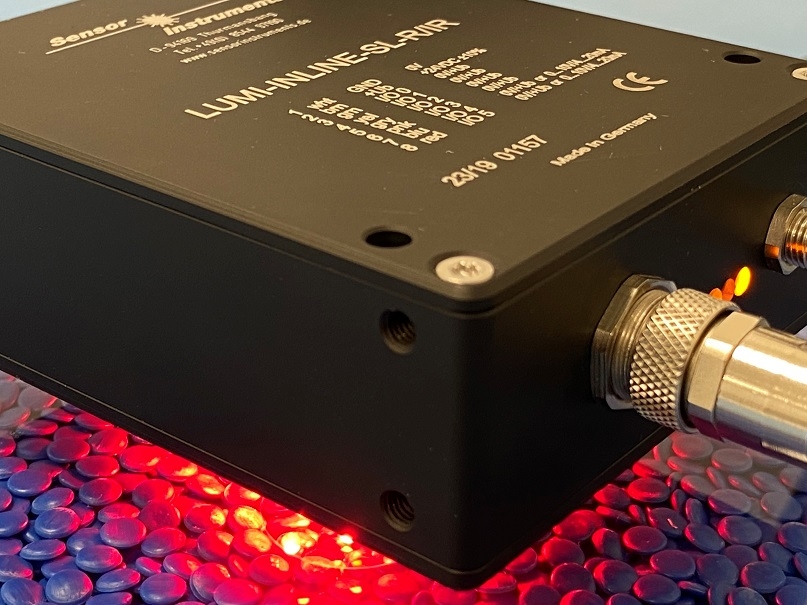
   LUMI-STAR-INLINE-R/IR
   Встроенные детекторы 
LUMI-TAU-INLINE
   LUMI-TAU-INLINE-SL-R/IR


07.05.2020
 
  Оптические встроенные датчики в производстве и рециклинге пластмасс

Для улучшения сортировки пластмасс и, тем самым, для увеличения доли их вторичного использования существуют различные проекты и технические подходы. Одни из этих методов используют возможности ближнего ИК-диапазона (NIR) для распознавания основных материалов пластмасс, другие используют нанесение кода для сортировки и отслеживания пластиковой упаковки.
Компании Sensor Instruments и GABRIEL-CHEMIE разработали новую технологию для снабжения полимерных материалов и изделий из них интергрированной прямо в материале и пригодной для машинного считывания сигнатурой.
 
► Пресс-релиз (pdf)
► Пресс-релиз (Word/pdf)

  
   маркировку и однозначную аутентификацию
   пластмассовых изделий

   Taggant Technology TAGTEC


14.10.2019
 
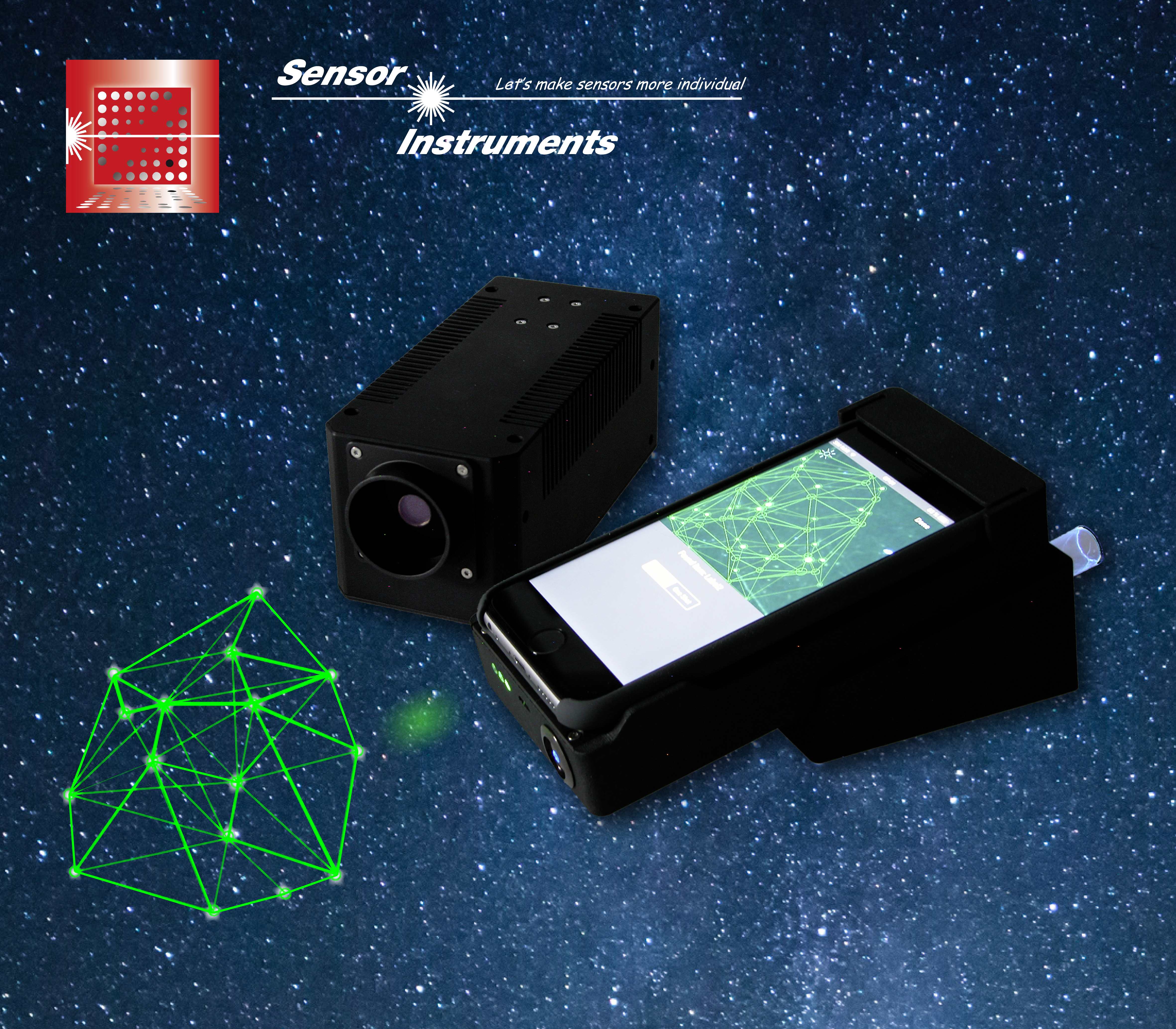
  В поисках невидимого

Встроенные детекторы предлагают новый вид маркировки компонентов
В ходе глобальной дигитализации промышленного производства и отдельных процессов (ключевое слово: Industrie 4.0/четвертая промышленная революция) новый вид маркировки производимых компонентов предлагает непредставимые до сих пор возможности. С помощью индивидуальной маркировки (произвольное распределение флуоресцирующих частиц на поверхности объекта или в его матрице) генерируется виртуальный код, с помощью которого можно загрузить основные данные продукта напр. на сервер (или на Cloud).
 
► Пресс-релиз
► Пресс-релиз (Word/pdf)


   LUMI-STAR
-MOBILE и LUMI-STAR-INLINE
   Серия LUMI


АКТУАЛЬНО СЕГОДНЯ

Участие в выставках:

 •   2025
 •   PRWE North America 2025
 •   PRS India 2025
 •   PRS Europe 2026
 •   Textiles Recycling Expo 2026

подробнее...


Инновационная новинка на выставке K 2025:

Pеализованная совместно с сильными партнерами:
Цифровой паспорт продукта в переработке пластмасс


подробнее...


Специализированная статья:

  Automatically Adjusting to the Desired Color
Constant Recyclat Color Values through Inline Measurement  

Plastics Insights 
05/2025


подробнее...


Видео:


Сенсорные системы для промышленности по переработке пластмасс
Измерение цвета вторсырья


подробнее...


Специализированная статья:


Testing Recyclates Directly during Injection Molding and Extrusion
NIR Process for the Inline Inspection of Recycled Plastics ()
Plastics Insights 3/2024


подробнее...


Whitepapers:

Sensor systems for recyclate control in the plastics industry for laboratory and inline use ()
Checking the plastic type of recyclates and virgin material using NIR technology ()

подробнее...


Новые применения:

Обнаружение вмятин и неровностей на металлических полосах для перфорации
(№ 801)
Определение различия между кожаными, текстильными и синтетическими компонентами салона автомобиля
(№ 802)
Измерение цвета пластиковых крышек
(№ 803

подробнее...


Что такое ...
... поверхностное натяжение?
... испарение масла?
... измерение толщины
    масляной пленки?

подробнее...


Новые версии программ:

SPECTRO3-MSM-DIG-Scope V1.5 (2021.10.20)
V1.5.2


подробнее...


FIND US ON ....

Facebook X (Twitter) Instagram Youtube in


TOP